Why DesignOps™ is the Missing Link in Corporate Real Estate
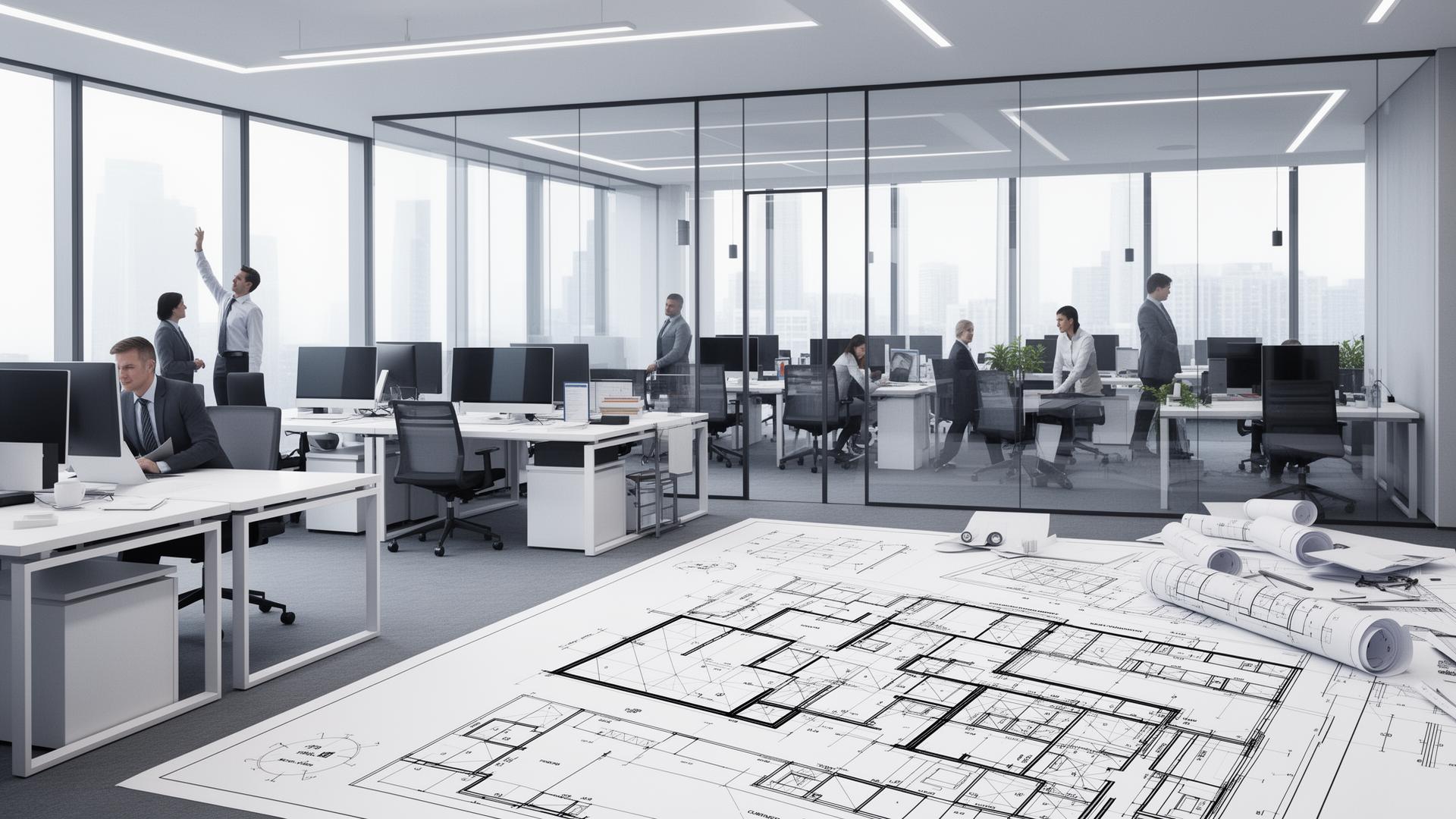
In corporate real estate, speed matters. Lease decisions hinge on timely information. Expansion plans stall without updated floor plans. Yet most organizations still treat design support as a project-based activity—engaging architects or designers only when a major initiative demands it. This approach creates predictable bottlenecks that slow down decision-making across the portfolio.
The Traditional Model is Broken
Traditional design support was built for once-in-a-decade events: new headquarters, major renovations, or corporate relocations. These were discrete projects with clear beginnings and endings. But today's corporate real estate environment requires constant evaluation and response.
Consider what happens when a lease renewal approaches. The real estate team needs to understand whether the current space still works—or whether consolidation, expansion, or relocation makes more sense. They need test fits, headcount analysis, and options to present to leadership. Under the traditional model, this means:
- Engaging an architecture firm: Even for simple test fits, the procurement process can take weeks
- Waiting for availability: Architecture firms prioritize their largest clients and most complex projects
- Managing scope creep: What starts as a simple test fit often expands into a larger engagement
- Paying project premiums: Each engagement carries overhead for contracting, onboarding, and project management
The result? Lease decisions get made without adequate information. Opportunities are missed because the analysis couldn't be completed in time. And real estate teams operate in a constant state of reaction rather than proactive planning.
The Operational Mindset Shift
DesignOps™ treats design support as an operational activity—the same way organizations treat IT support, HR services, or facilities maintenance. Instead of engaging outside help on a project-by-project basis, design capacity is built into the operational infrastructure.
This isn't about replacing architects or eliminating project-based work. It's about recognizing that some design activities are operational in nature and should be structured accordingly:
- Speed: Test fits delivered in 72 hours, not 3-4 weeks
- Consistency: Standards maintained across your entire portfolio, not reinvented with each project
- Flexibility: Scale up or down based on actual demand, not contracted minimums
- Cost efficiency: Pay for what you need, when you need it, without project overhead
What Activities Qualify as Operational?
Not every design activity should be treated operationally. New construction, major renovations, and complex programming still benefit from traditional architectural engagement. But many common activities are better suited to an operational model:
- Test fits and stacking plans: Quick explorations to inform lease decisions
- Floor plan maintenance: Keeping as-built documentation current as changes occur
- Headcount and space utilization analysis: Understanding how space is actually being used
- Standard refresh projects: Carpet, paint, and furniture updates that follow established guidelines
- Move planning and furniture layouts: Reconfiguring existing space for changing needs
- Design intent documentation: Maintaining brand and workplace standards across locations
These activities share common characteristics: they're recurring, they follow established standards, and they don't require the creative problem-solving that justifies traditional architectural engagement.
The Portfolio Advantage
The operational approach becomes even more powerful at portfolio scale. Organizations managing dozens or hundreds of locations face a compounding challenge: the more locations you have, the more difficult it becomes to maintain consistency and respond quickly to changing needs.
With DesignOps™ as an operational function, portfolio-level activities become manageable:
- Centralized standards: Design guidelines, CAD standards, and documentation protocols maintained in one place
- Rapid response: Any location can get support without procurement delays or contract negotiations
- Institutional knowledge: Ongoing relationship means accumulated understanding of your organization's needs
- Predictable capacity: Budget and plan for design support the same way you budget for other operational functions
Making the Transition
Shifting from project-based to operational design support doesn't require a dramatic restructuring. Most organizations can start by identifying the activities that create the most friction under the current model:
- Where do you consistently wait too long for basic deliverables?
- Which recurring activities get neglected because the effort to engage outside help isn't justified?
- What decisions get made with inadequate information because analysis couldn't be completed in time?
These friction points are candidates for operational treatment. By addressing them first, you can demonstrate value while building the foundation for a more comprehensive approach.
The Bottom Line
Corporate real estate moves faster than ever. Lease decisions, space planning, and portfolio optimization require timely information and rapid response. Treating design support as an operational activity—rather than a project-based expense—aligns your support infrastructure with the pace of modern business.
The organizations that make this shift gain a competitive advantage: better information, faster decisions, and more consistent execution across their entire portfolio.
Need this solved, not just explained?
FSI delivers decision-ready fixed-fee test fits from $5,000, delivered 72 hours after complete inputs and capacity confirmation. Layouts your team and partners can act on.
Ready to Accelerate Your Design Decisions?
Explore how DesignOps™ can eliminate bottlenecks in your corporate real estate operations.